



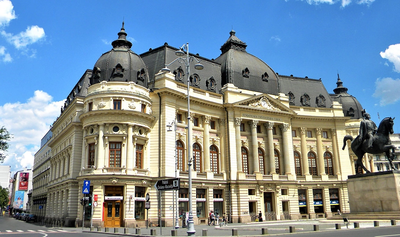


Culture is a living force meant to inspire through the meanings it produces, through the questions it opens, through the capacity to remain relevant for the present, the general director of the "Carol I" Central University Library (BCU), Mireille Radoi emphasized on Thursday, at the opening of the conference "Nicolae Iorga: 155 years since birth", an event dedicated to the National Culture Day.
She said that, every year, at the "Carol I" BCU the first event takes place on January 15. This year, 155 years after his birth, Nicolae Iorga is commemorated.
"Every time we start the year, the first event in the hall takes place on January 15 and every time we strive to find something interesting, something appropriate to the importance of National Culture Day and to mark it as it should be in an institution founded by a personality who marked Romanian society, Romanian history and culture through the establishments he created, one of which being the 'Carol I' University Foundation and our library. This year we thought of going a little outside the line of events that involved readings from Mihai Eminescu, the evocation of Mihai Eminescu, as we have had in recent years. (...) This year we thought of focusing on another extraordinary personality who marked Romanian society and culture - Nicolae Iorga", stated the general director of the "Carol I" Central University Library.
Mireille Radoi pointed out that National Culture Day is a day of Romanian identity as a whole, "of the great spirits who gave it consistency, direction and depth".
"Bringing Nicolae Iorga into this context does not mean opposing him to other emblematic figures, but naturally placing him in a cultural pantheon that includes, with different languages, Mihai Eminescu, George Enescu, Nicolae Grigorescu or Constantin Brancusi. Culture is not built through exclusion, but through dialogue, the connection of these voices. Nicolae Iorga is one of those personalities who cannot be reduced to a single formula - a genius historian, a charismatic professor, a combative publicist, a founder of institutions, a cultural animator, a European spirit anchored in Romanian reality, an extraordinary politician. All these coexist in a personality that refuses simplification. For Nicolae Iorga, Culture was a form of public responsibility", she said.
In the opinion of the general director of the BCU, National Culture Day should be a moment "when we ask ourselves sincerely what we understand, what we preserve and what we transmit from the heritage that we invoke so often".
According to the general director of the National Archives of Romania, Cristian Anita, Nicolae Iorga was a huge personality of Romanian Culture. "I believe that Iorga deserves to continue to be in all studies in Romania", Cristian Anita said.

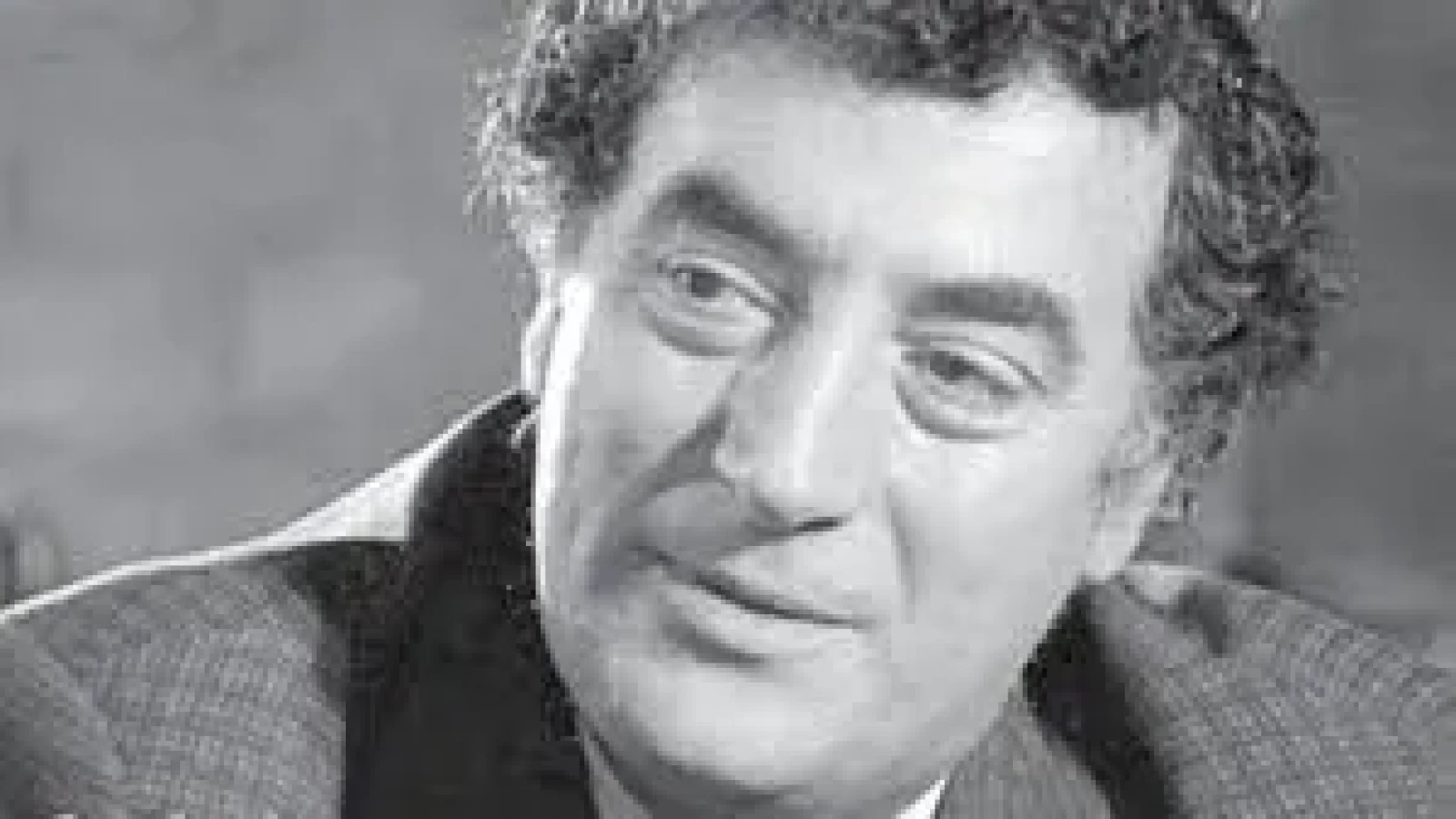
A photo-documentary exhibition dedicated to Nicolae Iorga was also opened during the event, created by the Central University Library in collaboration with the National Archives, which capitalizes on resources kept in the funds of the Central Archives, as well as the Iasi and Botosani county services.
The exhibition, structured chronologically, presents civil status documents, school documents, unpublished photographs from Iorga's childhood and adolescence, manuscripts, personal correspondence, diplomas, article concepts, as well as documents related to the founding of the Institute of Southeast European Studies (1914).
Visitors can discover, from the collections of the "Carol I" BCU, rare publications and lesser-known writings - texts on agriculture, economics, art, religion or trade, first editions of plays and serial publications patronized by Iorga - outlining the image of a multi-faceted personality, whose work goes beyond established clichés.

















Comentează