



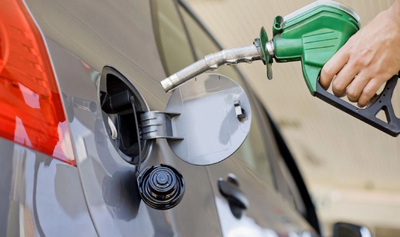


The indirect effects of the conflict in the Middle East can be substantial on Romania, especially through the energy channels and the deterioration of confidence in the financial markets, according to Chairman of the Association of Financial-Banking Analysts of Romania (AAFBR), Flavius Jakubowicz.
"The current military conflict in the Middle East, which directly involves Iran, Israel and foreign partners, is primarily a geostrategic crisis with significant global economic consequences. Recent disruptions to energy flows, including disruptions in the Strait of Hormuz, one of the most critical corridors for global oil and gas exports, have led to sharp increases in the country's oil and gas prices on international commodity exchanges. In a single day, the price of Brent benchmark oil rose by more than 9-13%, reaching about USD 79-82 per barrel immediately after the escalation, and the natural gas markets registered increases of more than 40-50% in Europe, reflecting the supply risks worsened by the conflict," Jakubowicz told AGERPRES on Monday.
He added that these developments are not just abstract commodity market variations. They have real effects on the costs of production, transport and energy in the economies importing energy resources, including in Romania.
"The increase in international oil prices is transmitted, through higher costs for the import of fuel and energy, in pump prices, in logistics costs and, ultimately, in the general inflation felt by consumers and the business community. Economic analyses indicate that if the price of a barrel is between USD 80 and USD 100 or more, there are significant pressures on the cost of fuel and the final price of goods and services in domestic markets. From Romania's perspective, the direct impact of the conflict is moderate in terms of bilateral foreign trade."
According to the AAFBR chairman, official data show that Romania's trade relations with Israel represent about 0.4% of total foreign trade, and the rest of the Middle Eastern countries, individually, do not exceed this significant threshold, except for Turkey (about 4.4% of total trade), which is a more important regional partner, but is not directly affected by the current conflagration.
"However, the indirect effects through energy channels and market confidence can be substantial. Romania, as an EU-oriented economy dependent on energy imports, may experience increases in production costs and more intense inflationary pressures, especially if price developments remain volatile or if global supply chains continue to be disrupted. We could see that such a crisis could delay the cuts in monetary policy interest rates in the Central and Eastern European region and keep financing costs at higher levels for businesses and investors. In conclusion, although Romania is not on the front line of the conflict, and the direct trade exposure is relatively low, the global impact through the channels of energy prices and external costs is real and requires continuous monitoring. Economic decisions, both at the level of the private and public sectors, must take into account geopolitical volatility, the risks of rising energy costs and the potential effects on inflation and economic competitiveness," said Flavius Jakubowicz.




















Comentează