






The Concordia Employers' Confederation is calling for the minimum wage to be kept as is, saying that this is "the only responsible option" in the difficult economic context that Romania is going through.
The organisation warns that any increase in the minimum wage would widen the existing economic imbalances.
"At the meeting of the National Tripartite Council for Social Dialogue today, October 29, Concordia expressed its firm position on the minimum wage for 2026: keeping it at its current level is the only responsible option in the difficult economic context that Romania is going through. In the last five years, the gross minimum wage has increased by about 85%, one of the fastest developments in the European Union. The dynamic has already led to a rapid increase in the entire pay scale and generated significant pressures on labour costs in all sectors of the economy," Concordia said in a statement.
According to the employers, Romania's economy is witnessing modest growth - the International Monetary Fund estimates an advance of only 1% in 2025 and 1.4% in 2026. Domestic consumption and confidence of both the public and companies are declining sharply, and the trade deficit remains high. Giving the circumstances, an increase in the minimum wage would widen existing economic imbalances.
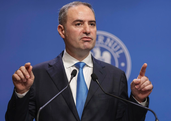
"We are in a difficult economic situation. We want a competitive, productive, high value-added economy, which allows companies to competitively remunerate employees. But the current context does not allow us to do so. The real capacity of the economy does not allow further increases in the minimum wage. This fact would mean contrary effects to what we want," Calin Ile, deputy chairman of the Concordia Employers' Confederation ,is quoted as saying in the statement.
In key sectors such as road haulage, HoReCa and the furniture industry, profitability fell below 4% and operating costs increased by 20-100% from 2020. Bank interest rates remain at 8-10%, and delays in VAT refunds and sick leave generate serious liquidity bottlenecks for small and medium-sized companies. Moreover, the current economic conditions no longer allow the absorption of a new increase in costs, without the risk of cutting jobs and expanding the informal economy.
According to the employers, an increase in the minimum wage would, paradoxically, affect even low-income employees, by reducing employment opportunities and generating additional pressures on companies' costs.
Concordia suggests keeping the current level of the minimum wage and thus protecting jobs, because by so doing predictability is secured and the economy protected at a time of accelerated economic and fiscal volatility.


The Concordia Employers' Confederation represents 20 of the most important sectors of the Romanian economy and is a partner of social dialogue, representative at national level. With a contribution of 30% of GDP and over 450,000 employees in 3900 large and small companies running on Romanian and foreign capital, it is the only organisation in Romania that is a member of BusinessEurope, the International Organisation of Employers (IOE) and Business at OECD (BIAC).

























Comentează