



Energy prices continue to fuel inflation around the world, and some decline in it is likely to be noticeable at the end of the second quarter, Adrian Vasilescu, strategy consultant at the National Bank of Romania (BNR) told AGERPRES on Wednesday.
"In general, the picture from March is repeated, because in Romania, as well as in the whole of the European Union, there was a surge in prices in March, and we expected that to be the peak and even if there was an increase in April, it would be in the same area. Well, we witnessed a new surge in April, of 13.76%. Very high! And there was a reversal from March, because in March, for the first time in a year, food prices raised more than prices for non-foods, and I thought a new series was starting with more expensive food prices than non-food prices, but that didn't happen. It certainly is a new record high for potatoes. Bread prices also grew significantly, and edible oil prices followed their normal pace but still went very high. Even the prices for margarine grew a lot. So, big increases in food prices, but not generalised. There are still black swans in terms of price raises. Big surprises for non-food prices. Of course, the basic package consists of fuels, a very high increase, heat and gas, but the rising electricity prices made a comeback in April, which influences the prices for 12 months. Electricity was out of pace. Electricity witnessed two months of negative growth, and now it has jumped... A conclusion on the whole picture is that energy continues to fuel inflation all over the world including in Romania. Unlike other countries that are making progress with turning the energy crisis into an energy transition, we are currently floating in metaphysics, because reality is far from the current projections. More precisely, the reality is lagging behind the projections," said Vasilescu.
Asked what we could expect, the BNR official replied that inflation will probably get a little lower at the end of the second quarter, and also at the end of the third quarter, but there are no expectations, neither in Romania nor elsewhere in the European Union, of inflation returning to the two-percent target before the end of 2023.
Vasilescu added that "given the picture, the National Bank resorted to a drastic move yesterday and increased its monetary policy rate."
According to him, energy prices cannot be defeated by any monetary policy, but the influences of these prices on the overall picture "can be hit by monetary policy".
BNR's Vasilescu: We saw more inflation surge in April as energy prices continued to fuel inflation
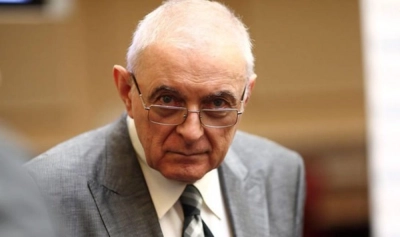
Sursă foto: cotidianul.ro
Distribuie articolul


Distribuie articolul


București 12°C
12°C
12°CArticole Similare

12
After visiting 85 countries, two Americans settled in Sibiu, drawn by its 'peace and warm people'
12

4
Gov't approves draft on 500-million-euro EIB loan for Sibiu-Pitesti motorway construction
4

3
Gov't updates methodological norms regarding the implementation of international development cooperation, humanitarian assistance activities
3

7
JusMin Marinescu: We are making efforts to obtain funding for electronic monitoring bracelets for inmates
7

8
Gov't approves agreement with R. Moldova on coordinated border control
8

48
President Nicusor Dan receives Ukrainian president Volodymyr Zelensky with military honours
48

16
Hungary's President to visit Targu Secuiesc on Sunday for Day of Hungarians Worldwide
16
11
Bucharest University to kick off 'Science on an open stage' conference series
11
14
Digital Innovation Summit 2026/Energy Minister Ivan: The future belongs to technology, which needs energy
14
5
PM Bolojan says public funds can no longer be directed into "spinning" mechanisms
5

13
CFR SA: Modernisation works begin on Bucharest Progresu-Jilava-Giurgiu Nord Frontiera railway line
13
16
Diesel price could reach 9.8 per litre in the next two weeks (expert)
16

11
Romania-Italy Cultural Year/Author Catalin Pavel invited to 'The Month of Romanian Literature in Rome'
11












Comentează