



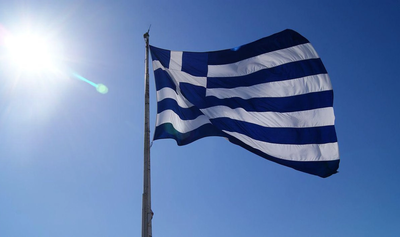


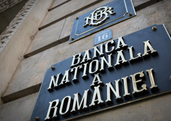
The ongoing geopolitical conflict in the Middle East is a new adverse supply shock for the global economy and for that of the eurozone, with a potentially significant macroeconomic impact if the conflict persists or spreads to other countries, the governor of the Bank of Greece, Yannis Stournaras, said on Monday at the National Bank of Romania.
"Greece's determined efforts showed that fiscal consolidation, financial restructuring and sustained structural reform can help a country regain economic credibility after years of hardship and lay the foundations for sustainable growth. That experience remains very relevant today, as the recent military escalation in the Middle East unfolds. The geopolitical conflict constitutes and additional adverse supply shock for the global and the euro area economy, with a potentially very large macroeconomic impact should the conflict persist or spread across countries. Lessons drawn from recent Greek economic history matter in the current juncture because periods of conflict tend to bring budget strain, energy disruption, wider uncertainty, making sound fiscal governance and coordinated crisis management especially important," said Stournaras during a presentation on "10 years after the Greek crisis: lessons for national Governments, Central Banks and the Eurozone in light of the energy crisis."
According to him, Europe is in a difficult position due to its dependence on imported fossil fuels and the escalation of the conflict in the Middle East.
"I am confident that Europe can translate the present political momentum into concrete action. The military escalation in the Middle East and the resulting energy crisis, regardless of the end result, has put Europe, a large net energy importer, once more in a very difficult position, due to its dependence on imported fossil fuels. There are two relevant key considerations here: first, within a period of few months, there have been more than one wake-up calls to European policy makers that institutional changes are imperative. Second, the resulting political momentum is of essence. Converting it into concrete decisions, however, will require careful preparation, coordinated actions and sustained agreement among member states," added Stournaras.
Given the geopolitical situation, there is a clear opportunity to accelerate progress. By prioritising the most critical policy steps and ensuring the political momentum is maintained over time, this positive trajectory can translate into tangible outcomes in the coming years.
"How important is the need to translate momentum into actions? There is a wide-spread agreement in Europe that our future depends on a major change in the strategic direction of our continent. What is now required is the determination to act collectively and deliver the reforms and policies that will strengthen Europe's resilience and competitiveness," said the governor of the Bank of Greece.

In his view, the Greek crisis has highlighted the vital need for fiscal discipline in the euro area. It also showed that structural rigidities need to be corrected to boost productivity and investment.
"Greece's experience underscores the importance of innovation, high-tech transition, efficient use of EU funds and foreign direct investment (FDI), deeper capital markets and secure, affordable energy to enhance long-term competitiveness and resilience," the Bank of Greece governor added.




















Comentează