



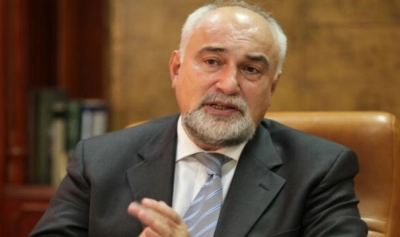


President of the Writers' Union of Romania Varujan Vosganian said on Monday during a debate on the international standing of Romanian literature that Romania lacks a coherent vision for culture.
"Romania suffers from a lack of vision when it comes to culture. We have environmental strategies, we even have strategies for fisheries, not to mention national security strategies. But we do not have a cultural strategy. Of course, the formation of a culture does not follow strategies. (...) However, culture is like any other expression of civilisation. You cannot reach the top of the pyramid unless the pyramid has a base," Vosganian said at the international conference "New Paths for Romanian Literature in the 21st Century. How Is an International Destiny Built?", held in the Grand Hall of the Romanian Cultural Institute (ICR).
He noted that after 1990 the role of the writer and of the cultural figure began to decline, which he said is "yet another reason showing that a cultural strategy is necessary", adding that people never speak about "the cultural deficit".
"We often talk about the trade deficit or the budget deficit. Have you ever heard anyone speak about the cultural deficit? Romania has a cultural deficit far deeper than its trade deficit. Romania's cultural deficit can be assessed in two ways. First, the relationship between imported and exported literature on the Romanian book market, and second, the relationship between imported and exported literature more generally. As far as Romania's cultural market is concerned, I must tell you that 92% of the books sold in Romania are translated books. The main protagonist of Romania's literary life is not the writer, but the translator. If you compare the royalties received by writers, who create, with those received by translators, who translate, you will see that the difference is astonishing, even though translators are very poorly paid. And if you compare a translator who translates from French or German into Romanian with one who translates from Romanian into German or French, you will see the humiliating situation of the Romanian translator," Vosganian said.
The president of the Writers' Union added that representatives of the new generation of writers either compete on the literary market with authors such as Faulkner or Hemingway or remain completely unknown in Romania.
"Translations are generally of good books from abroad. This means that top foreign books compete with Romanian books that are almost unknown. It is an unfair competition. This competition must be offset through administrative measures as well as partnerships. Things that are not happening. (...) I can also tell you that, unfortunately, in recent years the sums allocated to translations are equal to the salary of a director at a major energy company," Vosganian said.
He called for a broader translation programme and lamented the absence of the institution of the literary agent.
"There must be literary agents. We do not have agents who promote Romanian literature abroad. Our best agents, and I thank them, are translators. (...) Secondly, there is no feedback. There are publishing houses with little relevance where books can be translated but which have no impact abroad. There should be some form of web submission system for publishers that actually promote these works. (...) I would also add that the selection we make for the international presence of Romanian books should be more carefully done. I do not think books that have not gained recognition or notoriety in Romania, or authors without prestige at home, should represent Romania," Vosganian said.
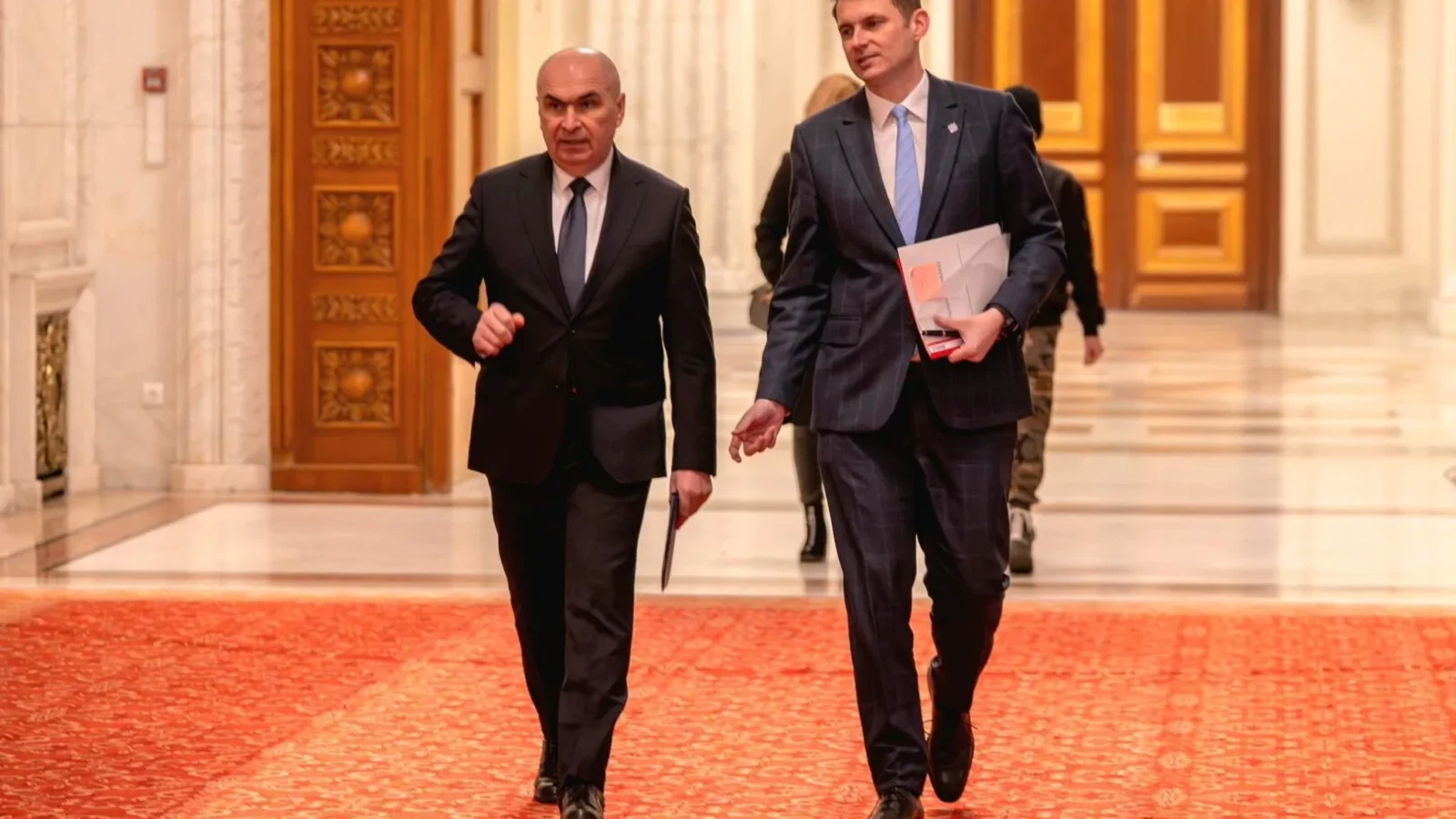
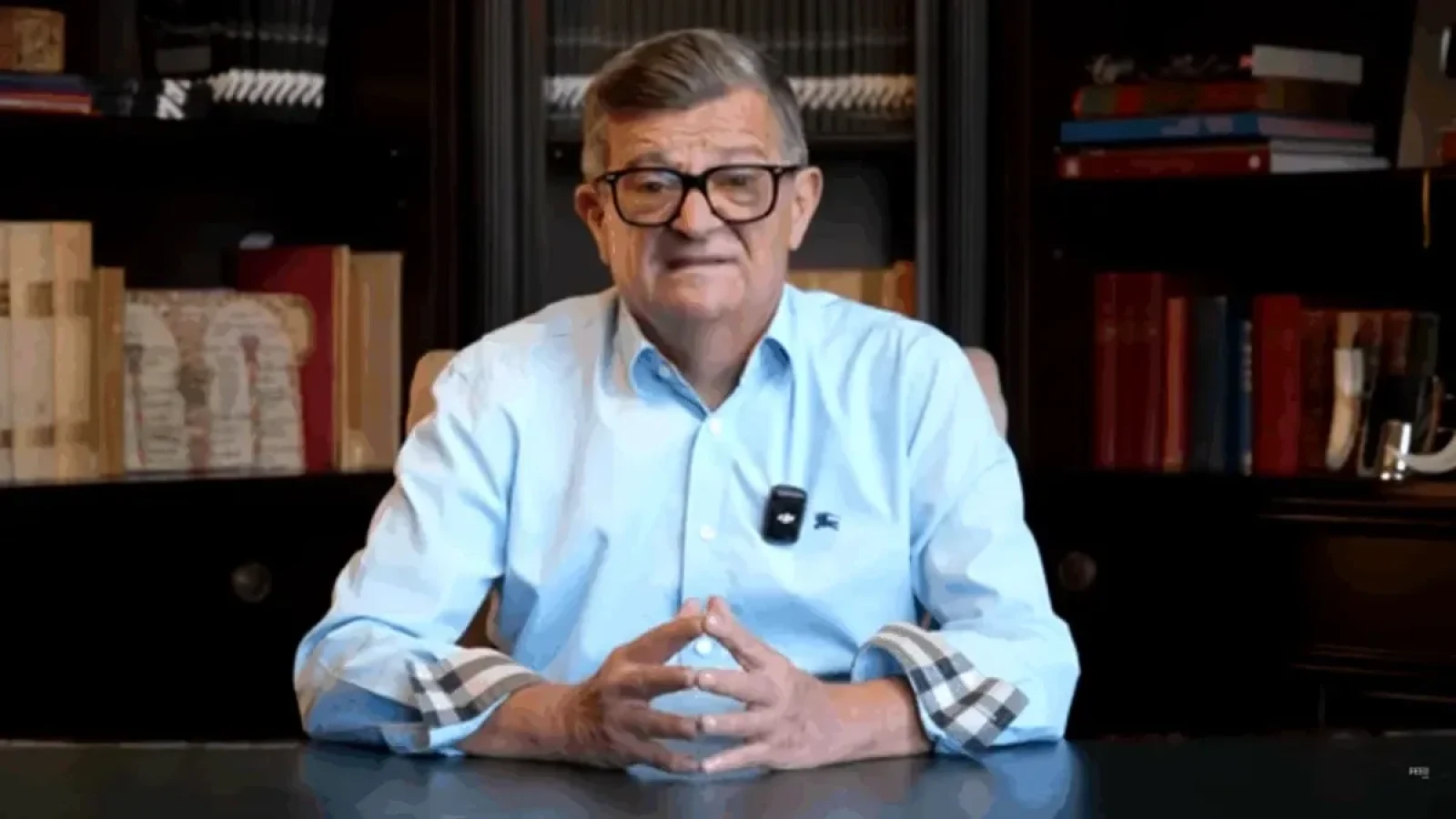
What progress has been made in the past two decades in promoting Romanian literature abroad? What visibility does Romanian written culture have today? What role do translations and translators play in the international journey of our literature? How can literary agents contribute to the international destiny of a book? What does a "successful book" mean today? Is there a "recipe" for success in the globalised present? These were just some of the themes discussed during the event, moderated by RFI journalist Mihaela Dedeoglu.
Translator Jean Louis Courriol (France) lamented the fact that modern Romanian literature is not known in France, giving the example of Marin Preda and noting that he is preparing a translation of "Delirul" ("Delirium"). Meanwhile, Marian Ochoa de Eribe said Romanian literature has a well-defined place in Spain, mentioning that he has even encountered the use of the term "cartarescian" (from Romanian writer Cartarescu, editor's note) in literary commentary in the Iberian space.
A similar view was expressed by Bettina Worgotter, editor at the Paul Zsolnay Group (Austria), who said that Romanian literature holds a good position in the German-speaking world.
Professor and translator Roberto Merlo offered an extensive overview of the evolution of translations of Romanian literature in Italy over the past 20 years, noting that they have appeared more like "showers of stars", with Romanian writers - apart from major names such as Mircea Cartarescu - failing to establish a sustained presence in the Italian public sphere through a consistent presence with well-known publishing houses.
The translators mentioned were joined by Oana Vasile, a literary agent at the Livia Stoia Agency, who presented the activity of the agency she represents.
Held in the presence of the president of the Romanian Cultural Institute, Liviu Sebastian Jicman, the event was part of the series "After 20 Years. Romania's Books and Their Journeys", organised by the ICR through the National Book Centre to mark the 20th anniversary of the Translation and Publication Support (TPS) programme. The programme, dedicated to foreign publishers interested in publishing works by Romanian authors, has supported more than 1,000 titles published in numerous countries.






















Comentează