





The vast majority of Romanians (85%) have heard of the great musician George Enescu, and more than two-thirds (67.7%) believe that Romania benefits from the Enescu Festival, according to the third edition of the Barometrul Informat.ro - INSCOP Research, conducted between 1 and 9 September.
According to the research, 85% of Romanians say they have heard of George Enescu (compared to 90.6% in 2013), while 14.8% say they have not heard of the Romanian musician (compared to 6.2% in 2013), and 0.1% do not know or did not respond.
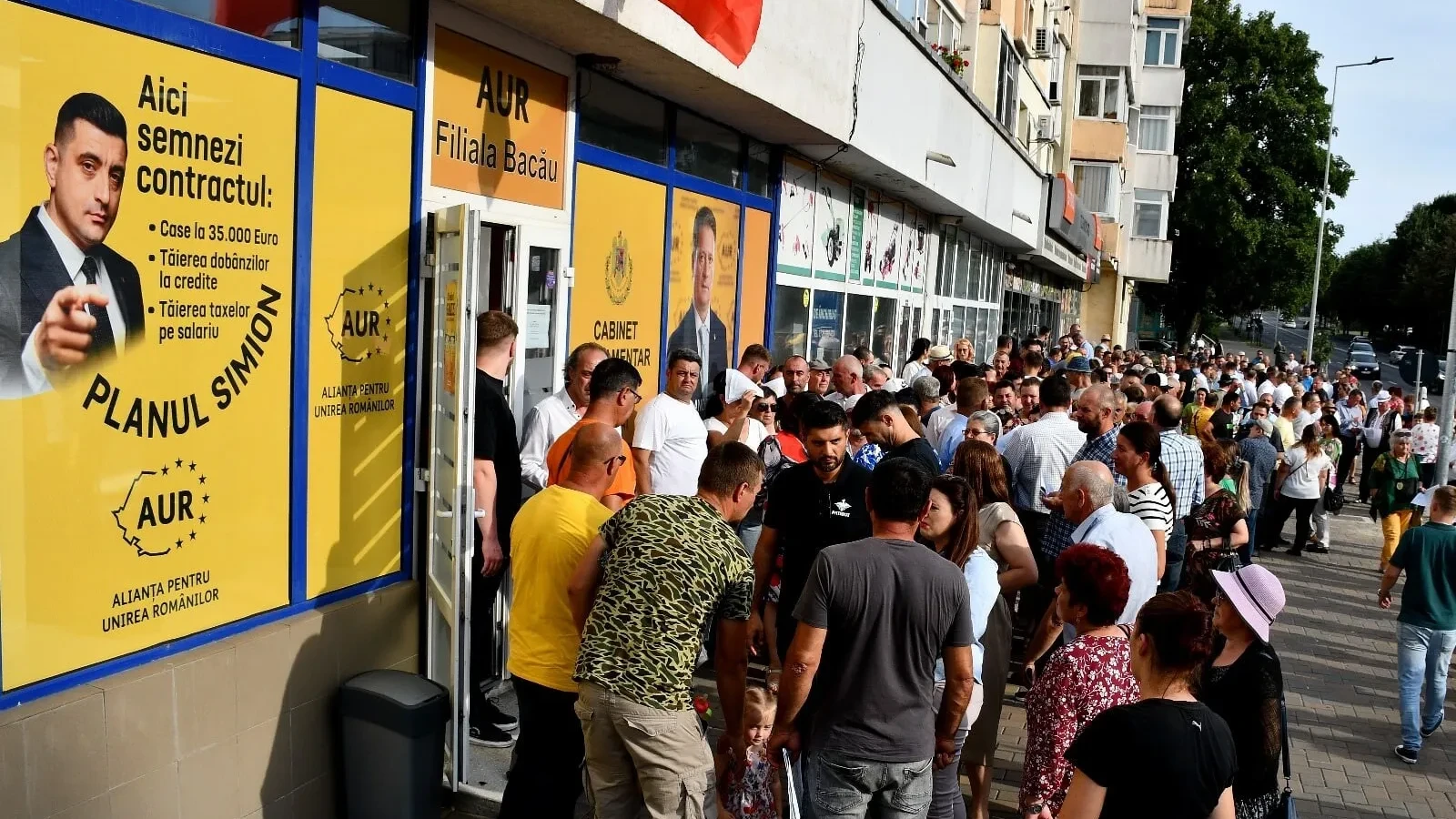
Those who say they have heard of George Enescu are mainly voters of the National Liberal Party (PNL) and Save Romania Union (USR), people over 60 years old, with medium or higher education, and residents of Bucharest and large urban centres. Those who say they have not heard of the great composer are primarily Alliance for Romanians Union (AUR) voters, young people under 30, individuals with primary education and rural residents, INSCOP Research reports.
As for the George Enescu Festival, 76.6% of respondents say they have heard of it (compared to 80.2% in 2013), while 22.8% say they have not (compared to 15% in 2013), and 0.6% do not know or did not answer.
Those most likely to say they are aware of the George Enescu Festival are voters of the Social Democratic Party (PSD), PNL and USR, people over 45 years old, with medium or higher education, and Bucharest residents. Those who say they are unaware of the festival are mostly AUR voters, young people under 30, individuals with primary education, and rural residents, the survey shows.

Moreover, 67.7% of those surveyed believe that Romania benefits from the George Enescu Festival (compared to 71.9% in 2013), 10.5% believe the country loses because of the event (compared to 1.8% in 2013), while 21.7% gave no response.
Those who believe Romania gains from the George Enescu Festival are primarily PSD, PNL and USR voters, people over 45 years old, with medium or higher education, and residents of Bucharest. AUR voters, young people under 30, and individuals with primary education are most likely to believe the country loses more than it gains from the event.
INSCOP Research Director Remus Stefureac noted that "although awareness of George Enescu and the festival remains very high - 85% and 76.6% respectively - these figures have slightly decreased compared to 2013, indicating a partial decline in collective cultural memory and a weaker transmission of values to younger generations."
'Perceptions of Enescu and the festival are strongly influenced by socio-demographic profiles (for example, 26% of young people aged 18-29 have not heard of George Enescu, and only 46% of them are aware of the George Enescu Festival, compared to 90% of those over 60 who have heard of the festival), as well as by political views (25% of AUR voters have not heard of George Enescu, and 35% are unaware of the festival), highlighting divisions between generations, education levels, places of residence and political orientation,' Stefureac explained.
The INSCOP director believes that although the majority of Romanians consider the festival beneficial to the country, the rise in those who see it as a cost, from 1.8% in 2013 to 10.5% in 2025, shows a slight but still marginal weakening of the social consensus around the value of major cultural events. 'The vast majority of the population appreciates the Enescu Festival, which shows that it is already a major cultural landmark for the Romanian public,' added Remus Stefureac.
The data was collected in the interval 1-9 September using the CATI (Computer Assisted Telephone Interviewing) research method. The sample was simple and stratified, comprising 1,103 respondents, representative across key socio-demographic categories (sex, age, occupation) of Romania's non-institutionalised population aged 18 and over. The maximum margin of error is ą2.95%, with a confidence level of 95%.
The Barometrul Informat.ro - INSCOP Research is a monthly public opinion survey carried out by INSCOP Research on behalf of the news platform Informat.ro, in partnership with the Strategic Thinking Group think tank.















Comentează