



Education Minister Daniel David on Wednesday said the reform of the high school curriculum is progressing through another stage, with over 1,500 specialists involved in drafting the new study programmes, based on the graduate's training profile.
Daniel David signed the Note approving the working groups that will develop the new subject programmes included in the national curriculum framework for high school education. These groups were selected through a public call in 2021, with the following criteria taken into account: professional qualifications, experience in curriculum design, experience in curriculum analysis and planning, the creation of an innovative school curriculum project, and actual teaching experience.
According to a message from the minister, the working groups were updated with: proposals from the Romanian Academy and the academic/university sector; members of the working groups responsible for drafting the lower secondary (gymnasium) curriculum and the high school curriculum framework; proposals from partner organisations (scientific and professional bodies) with which the Ministry of Education and Research has cooperation protocols; and specific additions where the group leaders/coordinators identified particular needs for a specific subject.
Depending on requirements and internal developments, the group composition may be updated during the course of activities.
The working methodology will include the following guiding principles (which will also be applied by the specialists drafting optional subject curricula): the programmes must be less overloaded and more relevant, with each working group referring to at least three European models; the programmes must have an explicit logical connection to the previous level (gymnasium) and to potential university-level content.
'Twenty-five percent of the time allocated to a subject must involve activities such as: consolidation and reinforcement (including for high-achieving students), remedial work, and applying acquired competences to everyday life,' the minister's message reads.
'After drafting the curriculum frameworks, defining appropriate and relevant content is a decisive factor in the significance of high school education, including in preventing functional illiteracy. The new guiding principles, derived from the QX Report, will contribute to the relevance of this endeavour. Subsequently, we will focus on effective teaching methods for this content and on creating engaging textbooks. The expectation is that in 4-5 years, we will begin to see results in terms of increased social relevance of high school studies and a reduction in functional illiteracy,' Daniel David conveyed.
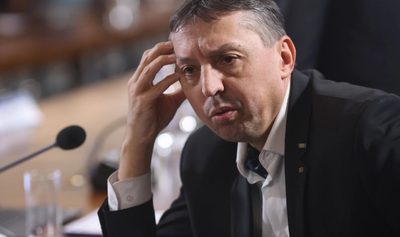
EduMin David: Over 1,500 specialists involved in drafting new study programmes for high schools
Sursă foto: Guvernul Romaniei
Distribuie articolul


Distribuie articolul

Articole Similare

0
Parliament/ "Romania without Domestic Violence" Committee: Increased penalties for ill-treatment of minors
0

0
American companies keen to continue investing in Romania, says President Dan
0
17
DeputyPM Tánczos Barna:We have economic recovery package with budget of one billion euros for investments
17

28
Pîslaru: Romania officially lost 231 million euros due to new scam by High Court of Justice
28

10
Euro trades at RON 5.0914
10

7
European 112 Day to be marked by illuminating in red more than 140 emblematic buildings
7
12
Senate adopts in plenary session legislative proposal establishing 2026 as "Bishop Márton Áron Year"
12
13
AgriMin Barbu says MADR completed its reorganisation, it cannot bear a 10% cut to wage fund
13
14
ANCOM: Number of registered postal items in Romania exceeds 600 million in 2025
14

10
Babes-Bolyai University researchers show how tourism companies can gain travellers' trust
10

11
BVB opens higher on Wednesday
11

15
Romanians are increasingly vulnerable to everyday risks - families facing difficult situations need 165,400 lei
15

21
Giant brain tumour removed at Iasi Neurosurgery Hospital
21













Comentează