



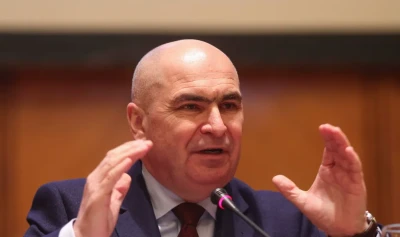


Prime Minister Ilie Bolojan said on Wednesday that the war in the Gulf region has pushed up fuel prices as a result of the partial blockage of traffic through the Strait of Hormuz, one of the world's most important energy corridors.
In a call-in with B1 TV, Bolojan explained that around 90% of traffic through the strait is currently affected, sharply reducing exports of crude oil and liquefied natural gas from Gulf states to global markets. With supply constrained, international prices have reacted immediately.
He noted that this pattern is typical during geopolitical crises: "A portion of the oil and liquefied gas that Gulf countries used to export can no longer be shipped. As a result, global supply has decreased, which has generated a spike in prices." The scale and duration of the price increase will depend on how long the blockage lasts and whether a ceasefire or negotiated solution can restore normal shipping, the PM explained.
Bolojan warned that as long as transit through the Strait of Hormuz remains restricted, further increases in global energy prices are likely, and that even though Romania has fuel stocks for several months, importers will soon have to buy at higher prices.
He pointed out that the price of crude oil typically influences 40 - 50% of the final price of gasoline and diesel, meaning that any sustained rise in oil prices will inevitably filter through to consumers. Short-term increases may be "marginal or emotional", driven by market uncertainty, but a prolonged crisis would have a more significant impact, he said.


The prime minister added that Romanian authorities are working to limit the impact on the domestic market by holding discussions with major suppliers and expanding national fuel-storage capacity.

























Comentează