



Romania's inflation is expected to rise until the end 2021 mainly on the back of electricity and fuel-related price adjustments, but these are projected to fade away in 2022, allowing inflation to return within the target band, the IMF said in the Concluding Statement at the end of its 2021 Article IV mission to Bucharest, agerpres reports.
"The BNR decisively eased monetary and financial policies in response to the pandemic. Inflation is expected to rise into the end of this year due mainly to electricity and fuel-related price adjustments, but these are projected to fade away in 2022, allowing inflation to return within the target band. Continued accommodative monetary policy to help secure the recovery is appropriate given well-anchored inflation expectations, the negative output gap and muted wage growth projections, and pandemic-related uncertainties. As fiscal consolidation gets underway, extending monetary accommodation beyond this year can be appropriate, as long as consistent with the inflation target," the IMF document reads.
However, amidst the strong economic growth, the current account deficit is projected to widen further this year to around 5.5 percent of GDP. "As the crisis recedes, gradually increasing exchange rate flexibility would help to absorb external shocks and, together with fiscal consolidation, could also help address the current account deficit," the IMF experts state.
As far as the Romanian banking system is concerned, the IMF notes that it entered the COVID-19 pandemic from a position of strength, with strong capital, liquidity, while non-performing loans remained low in 2021.
"The Romanian banking system entered the COVID-19 pandemic from a position of strength, with strong capital, liquidity, and profitability against a backdrop of conservative supervision. The stronger economic recovery has also benefitted asset quality thus far, with non-performing loans remaining low into 2021. Building on pre-pandemic levels of loan loss provisioning in the banking system, above the EU average, banks preemptively raised provisions further in 2020," the statement reads.
In the opinion of the international financial institution, BNR recommendations, mirroring EU-wide guidance to limit dividend payouts and share buybacks have also helped to raise capital retention in the system. "Loan classification standards have appropriately been restored in 2021, and the debt service moratoria expired in March with the bulk of loans previously under moratoria having been repaid. These actions will help enhance visibility on asset quality going forward," the document continues.
Nonetheless, in case loan portfolios deteriorate materially going forward, the IMF recommends accommodating the use of capital while allowing a longer period to rebuild. Further, preparations need to be in place for efficiently handling a potential increase in debt restructuring and business insolvencies.
An IMF team virtually visited Bucharest between May 10 and 28 for the annual review of Romania's economy based on Article IV consultations.
IMF Mission Concluding Statement: Inflation to rise by year-end due to electricity and fuel-related price adjustments
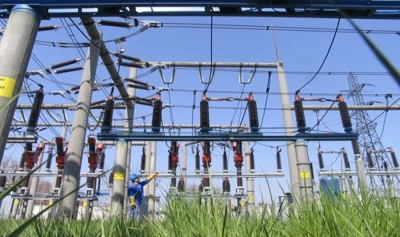
Sursă foto: stiripesurse.ro
Distribuie articolul


Distribuie articolul

Explorează subiectul

București 14°C
14°C
14°CArticole Similare

2
Senate's Abrudean says coalition will endure, doesn't want PSD to leave gov't
2

12
Ukraine Will Annually Celebrate Romanian Language Day on August 31
12

8
Bucharest stocks open Friday's session lower
8

23
New RO-ALERT message in Tulcea County near border amid war in Ukraine
23
9
FinMin Nazare: With 2026 budget we're getting closer to exiting excessive deficit procedure
9
25
Senator Corlatean submits candidacy for Deputy Secretary General of the Council of Europe
25
11
Gov't approves draft law on state social insurance budget for 2026
11
12
PM Bolojan: If fuel prices continue to rise, we will consider limiting them
12
12
President Nicusor Dan: Signing of Romania-Ukraine Strategic Partnership declaration an important moment in bilateral relations
12

9
JusMin Marinescu on protest related to proposals for heads of major prosecutor's offices: We are a free country
9
12
President Volodymyr Zelenskyy: Iran, an ally of Russia, has supplied hundreds of thousands of shells and drones
12

11
Fiscal Council: 2026 budget framework compatible with a 6.25% of GDP cash deficit
11

20
19th edition of One World Romania documentary and human rights film festival to start on April 24
20










Comentează