



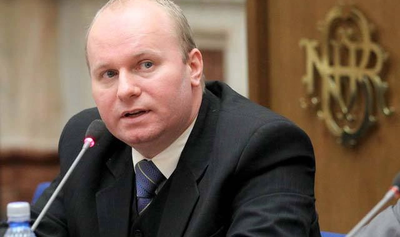


The final data for the first two quarters of 2024 show decreases of 0.4%, instead of the initially estimated increases, and the figures from the real economy have indicated for almost two years that the situation is fragile, argues Cristian Paun, a university professor of economics. He says that the modest increases in the last quarters were "artificial", generated by the increase in the deficit and public debt.
"Instead of 0.5% growth in the first quarter and 0.1% in the second quarter of 2024, we had minus 0.4% and minus 0.4%. So, in 2024 we were in technical recession. It has been seen for a long time, especially in industry, that we are not doing well, and these gains were obtained by inflating public spending to maintain a positive GDP. This growth has proven unhealthy and unsustainable. Now we are in a fiscal adjustment, in which state spending is starting to be reduced, to the extent that the coalition manages to do this, because important reforms have not yet been initiated in Parliament," Paun told AGERPRES.
He observes a contraction of the state, visible in real terms. Public sector wage spending rose by 7% nominally in 2025, but below the 10% inflation rate, which means stagnation or real decline.''This decline in GDP comes mainly from the state's contraction. We also have a contraction in the private sector, because part of the resources needed to correct the deficit were obtained through tax increases, not through reforms,'' he explains.
The reforms are being delayed, says Paun, because of ''fierce opposition'' from within and outside the coalition. But the recession is forcing the authorities to abandon tax increases and accelerate reforms, in parallel with the full absorption of the European funds available this year.
"Taxation is procyclical and this has been proven. The recession forces us to stop raising taxes, to seek reforms with more determination and to be very careful with European funds, not to miss a single euro", said the economist.
In this context, Romania started the year on the wrong foot in terms of absorbing European funds. "The special pension reform is dragging on, especially in the judiciary, and we have already lost over 200 million euros. If we take European funds and the public sector out of the equation, the recession was obvious to those who know how to read macroeconomic figures. We drew attention, but we were ridiculed, and spending got out of control. In 2024, money from the reserve fund was being spent mercilessly, tens of billions, and when we asked why, we were told that this leads to development", says Paun.
Now, the bill has arrived, and the recession is part of the consequences of previous policies, just like the tax increases in the second half of last year. ''The recession is the effect of the struggles of previous years and of the tax increases, which seem to be the only thing that can come out of the Romanian Parliament at this moment,'' he said.
Economic recovery cannot be achieved through taxation, but only through reforms, the professor emphasizes. In 2026, the evolution depends on the absorption of European funds, the success of the privatization of state-owned companies, the restructuring of the administration and reforms in the judiciary.
"All this must continue, otherwise we will endure this recession and economic stagnation for a long time. It is not the fault of anyone in particular, but an economic impossibility of the development model applied in recent years, which is now showing its limits. We need to change something, and the change must start with the real modernization of Romania and adaptation to the new regional and global context", concludes Cristian Paun.
Romania's economy grew by 0.6% in 2025, but ended the year in technical recession, after a 1.9% drop in GDP in the fourth quarter compared to the third quarter, the second consecutive quarter of decline, according to signal data published by the National Institute of Statistics. In the third quarter, the economy had decreased by 0.2% compared to the previous quarter.








Comentează