






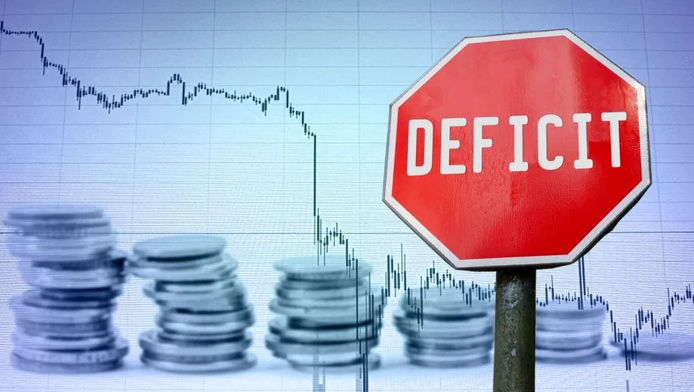
Economic recovery measures such as early tax-payment bonuses, micro-enterprise facilities and accelerated depreciation can support investment, but the correction of the budget deficit should come from reducing public spending, argues Adrian Codirlasu, president of the Chartered Financial Analysts (CFA) Romania Association.
"The measures taken include bonuses for early tax payment. These have been used in the past and yes, they encourage faster payment of taxes and, for the government, this implicitly means that money reaches the state budget more quickly. There are also certain facilities for micro-enterprises. I was also looking at accelerated over-depreciation, which is again favorable, especially in the technology industry - depreciation must be carried out quickly, and thus helps the development of those companies, offering them the possibility to speed up investment amortization. Tax credit for research and development - yes, to somehow encourage this activity. State-aid schemes, such as guarantees. Some of them can indeed have an impact and can encourage investments. Yet we somehow need to think about how to leave more money to the private sector, not skim it through taxes. And, practically, to cut the budget deficit by reducing expenses, not through taxation and inflation. Because these measures reduce purchasing power and bring about stagflation," Codirlasu told AGERPRES.
He noted that Romania has not faced such a situation in the past decade.
"We haven't had this situation before, with consumption dropping in August, September, October, November, December; for five months in a row consumption was downhill. We have not had such a situation in the last 10 years. And this evolution is a result of the decrease in purchasing power, caused by inflation and the rise in taxation. But the current inflation is caused by the budget deficit and fiscal policy. Therefore, if we want to reduce inflation, the solutions are fiscal, namely, not to further cut consumers' purchasing power, but to reduce spending. It's by cutting back on public spending that we must reduce the budget deficit, not by further increasing taxes," Codirlasu explained.























Comentează